


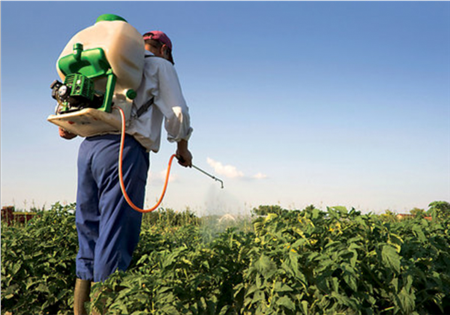
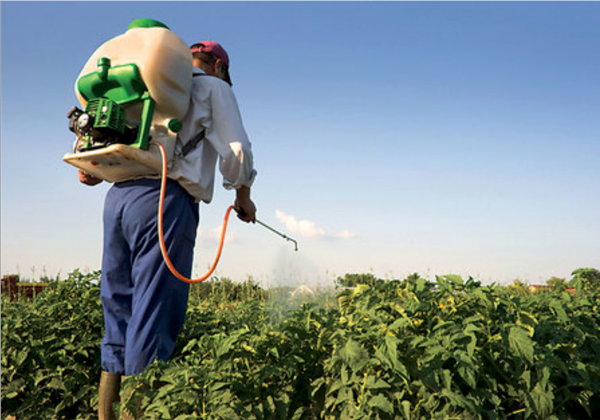
This project is designed to increase awareness of gardeners in our region of the importance of obtaining and planting plants whose growth has been free of pesticides.
This project has been submitted on behalf of The Rotary Club of Cataraqui-Kingston by ESRAG member Bill Egnatoff to the Environmental Sustainability Rotary Action Group for possible partial funding.
Project Objectives
Our objectives are aligned with “protection and restoration of biodiversity and ecosystems: Safeguarding, conserving, and restoring biodiversity and natural habitats.”
Specifically:
1. Increase consumer knowledge about the presence of pesticides in plants sold by regional suppliers
2. Encourage regional suppliers to provide reliable information about pesticide use in nurseries and increase the availability of pesticide-free plants on the market to gardeners
3. Request civic officials to enact regulations limiting the use of pesticides in the production of garden plants for sale in the region
Rationale
The vast majority of invertebrates serve vitally important roles in a healthy environment, including controlling pests, pollinating flowering plants, and providing food for other wildlife. Only a very small number of invertebrates are pests.
Pesticides are valued for their toxicity to pests, the risks they pose are often accepted—even when healthier, more sustainable options are available. Pesticides, herbicides and fungicides designed to control unwanted plants and animals rarely distinguish between beneficial invertebrates and those which cause harm.
Most nurseries—even those producing pollinator plants—may have treated their plants with pesticides. The horticultural industry is very sensitive to consumer intolerance for plant damage, and sometimes policies mandate pesticide applications to prevent the spread of certain pests. Toxic levels of insecticides and high levels of fungicides have been detected in nursery plants repeatedly.
Pesticides are poison, and cause unintended consequences and disrupt the natural systems that sustain us. Unfortunately, bees and butterflies may encounter risks from the pervasive use of pesticides during plant production, which can leave residues on or in plants. Declines in the population of monarch butterflies have been linked to various causes, including habitat loss and degradation, pesticide use, and climate change. While pesticide use has been associated with declines, studies have not previously attempted to quantify the residues that are found on retail milkweed plants.
Killing beneficial animals, depositing systemic substances in plants can be ultimately harmful to humans as well.
As part of ESRAG's Biodiversity focus and specifically the Pollinator task force’s efforts, our goal is to reduce reliance on pesticides, and increase the adoption of ecologically sound pest management practices.
ESRAG Theme: Biodiversity
Beneficiaries
Direct: home gardeners (knowledge of pesticide impact and reduction) and civic policy officials in guiding environmental
Indirect: pollinators
Envisaged Timeline
Production of information package (booklet, brochure, Web sites) May 1-15
Package testing and revision (feedback from gardeners and suppliers) May 16-31
Revision and publication of materials June 1-7
Publication and Awareness campaign (distribution to suppliers, Web publication, social media campaign, movie screening) June 7- 19
Evaluation, reporting, and planning of continuation June 19-30
Budget
The entire budget will be used for production of the information package.
Brochure preparation, including graphic art: $650
Movie screening $250
Additional Funding
The Rotary Club of Cataraqui-Kingston has a Regional and National Committee which includes a focus on Reconciliation and addressing environmental concerns. It will use its funds to supplement any funds from ESRAG and to continue the work beyond the initial phase.
Area or Region Served
A region surrounding Kingston, Ontario, Canada: the geographic area of Frontenac County, Prince Edward County, including Kingston, Gananoque, Napanee, Brockville, Landsdowne, Mallorytown, Rockport, Wolfe Island, Howe Island, and the surrounding areas.
Partners outside of Rotary
Our main partners in this work will be the 1000 Islands Master Gardeners and Little Forests Kingston. These organizations have strong followings throughout the region our project will serve. Each has a major resource Web site and is engaged in educational programs for gardeners and engagement of the community in planting native little forests, hedges, meadows, pollinator gardens, and vegetable gardens.
Anticipated Results, Deliverables, Monitoring
In the regional context, our Rotary club and its sister clubs in the region can play a valuable role in educating and informing locally owned business/ nurseries and home gardeners (primary emphasis of this project) and civic officials (subsequent project, to be initiated at end of the initial phase).
Rotarians from our club have been assisting in planting Miyawaki forests and pollinator habitats with our two partner organizations. Our communications network is strong and we will use it to full advantage. Several members in our club are also members of our partner organizations.
This project is to create and distribute a guide (booklet) for nurseries along the St Lawrence River on how to offer bee and butterfly-safe plants, with a list of appropriate native pollinator plants.
We propose to invite the nursery owners to an appreciation event, where we will have a panel discussion and launch of the booklet and screening of the movie The Extraordinary Caterpillar.
Showcasing the Project through ESRAG, Learning Products
We will document our process and will produce versions of the project story to accompany the brochure. Contents of the brochure will be available on our club and partner organization Web sites, along with the documentation of our work, including testimonials of regional garden plant market businesses and gardeners who use our information.
We would be happy to report on our project at any ESRAG online events.